
One of the most common questions we hear from...Read More
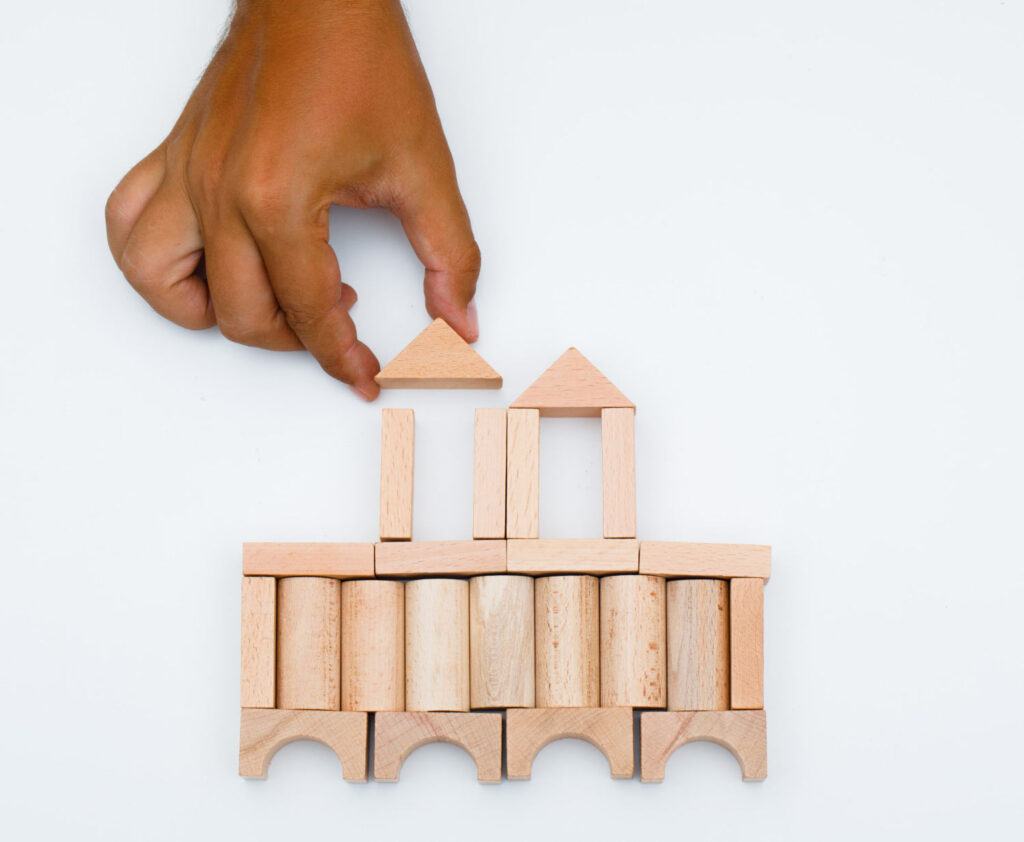
Time it takes to build a House in Nigeria: A Realistic Timeline
One of the most common questions we hear from homeowners is: “How long will this actually take?” It is a fair question, as the time it takes to build a house can vary wildly depending on your project size, location, and the team you choose. While everyone wants their home finished yesterday, understanding the reality of construction in Nigeria helps you manage your expectations and keep your stress levels low.
Factors That Influence Your Timeline
While every site is different, here is a general breakdown of the phases that define the time it takes to build a house:
Before you look at your calendar, remember that the time it takes to build a house is not a fixed number. Several variables can speed up or delay your progress:
- Size and Complexity: A simple bungalow will always be faster to complete than a complex duplex or a multi-story residential block.
- Approval Speed: The time spent waiting for government permits can range from a few weeks to several months, depending on the efficiency of your local planning office.
- Material Availability: Delays in sourcing materials or fluctuations in supply chains can pause work on your site for days or even weeks.
- Weather Conditions: Heavy rainfall during the rainy season in Nigeria can significantly slow down excavation, foundation work, and roofing.
- Funding Consistency: If your construction project stops because you are waiting on further funds, your total timeline will naturally extend beyond the initial estimate.
A Realistic Construction Schedule
While every site is different, here is a general breakdown of the phases that define the time it takes to build a house:
- Planning and Permits (1–4 months): This includes site analysis, architectural designs, structural calculations, and the submission process for your government building permit.
- Foundation and Substructure (1–3 months): Excavation, concrete casting, and damp proofing are time-intensive but essential for the stability of your home.
- Superstructure (3–6 months): This stage involves building the walls, creating the floors, and erecting the roof structure.
- Finishing and Fittings (3–6 months): This is often the longest phase. Plumbing, electrical wiring, tiling, ceiling installation, painting, and fitting doors and windows require skilled labor and meticulous detail.
Tips to Keep Your Project on Track
To shorten the time it takes to build a house without sacrificing quality, focus on these practical steps:
- Hire a Dedicated Project Manager: Professionals have the networks to source materials faster and the experience to coordinate labor efficiently.
- Secure Your Funds Early: Having your budget ready before you break ground prevents the common “stop and start” cycle that ruins construction schedules.
- Stay Involved but Trust Your Team: You should monitor progress, but avoid making design changes mid-way, as these are the leading cause of massive construction delays.
Building a home in Nigeria is a major commitment, but with a clear plan and a reliable team, you can manage your expectations and enjoy the process.
Search
recent posts
Top 7 Mistakes When Building a Home in Nigeria
June 15, 2026
No Comments
Building Approval Process in Nigeria: A Step-by-Step Guide
June 15, 2026
No Comments
Build on a Budget in Nigeria: How to Cut Costs Without Cutting Corners
June 14, 2026
No Comments
The Difference Between an Architect and a Contractor — And Why You Need Both
June 14, 2026
No Comments
How to Hire a Reliable Contractor in Nigeria: 10 Things to Check Before Signing
June 14, 2026
No Comments
Related Posts
Time it takes to build a House in Nigeria: A Realistic Timeline
How to Hire a Reliable Contractor in Nigeria: 10 Things to Check Before Signing
Finding the right person to bring your building plans...Read More